American History: A Joyful Display Font for Bold Designs
What Is American History?
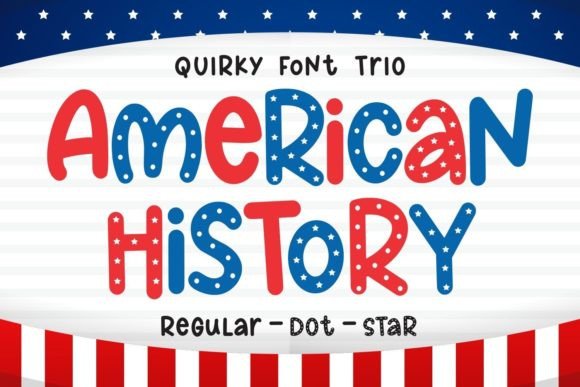
American History is a playful, expressive Display font that radiates fun and joyfulness — perfect for projects where personality matters. With its bouncy letterforms, rounded terminals, and cheerful rhythm, it stands out in the crowded Display category without sacrificing legibility or charm. Whether you're designing a retro-themed poster or a lighthearted brand identity, this typeface brings instant warmth and character. If you're looking for an American History free download, many trusted platforms offer it with clear usage terms — just be sure to verify licensing before use.
Letterforms: Cute, Jolly, and Distinctive
The letterforms in American History are intentionally friendly — think soft curves, open counters, and slightly exaggerated proportions. Uppercase letters have gentle swashes, while lowercase characters retain approachability without leaning into childishness. It’s more refined than cartoon fonts but less formal than vintage script alternatives.
Weight & Contrast
American History is a single-weight Display font, optimized for impact at larger sizes. Its medium-bold weight ensures visibility on posters and packaging, though it’s not intended for body text. Unlike high-contrast serif Display fonts, American History maintains consistent stroke thickness — making it highly scalable and screen-friendly.
Spacing & Kerning
Generous default spacing gives American History room to breathe, especially important for headlines and logos. That said, manual kerning adjustments often improve visual balance in tight wordmarks — a common consideration when using any premium Display font for branding.
American History for logo design
This font shines in logo applications where memorability and tone matter most — think ice cream shops, indie bookstores, or children’s brands. Its whimsical energy communicates friendliness at a glance, and pairing it with clean sans-serifs helps anchor the design.
American History for branding
Brands aiming for a nostalgic yet modern vibe find American History ideal for primary headlines and campaign slogans. It works especially well when paired with custom iconography or hand-drawn elements — reinforcing authenticity without overcomplicating the visual language.
American History for wedding invitations and cards
For couples wanting joyful, non-traditional stationery, American History adds charm without cliché. Use it for names or event titles, then pair with a delicate serif for details like date and location. It’s also effective for social media announcements and digital save-the-dates.
American History for posters and social media
Its bold presence translates exceptionally well to vertical formats — Instagram carousels, event posters, and limited-edition merch graphics all benefit from its energetic rhythm. For packaging, consider using it on front-facing labels where shelf appeal is key.
Font Pairing & Combinations
What fonts pair well with American History? The answer depends on your project’s voice — but two reliable approaches stand out. First, contrast its playfulness with a crisp, neutral sans-serif like Montserrat or Inter for body copy or supporting text. Second, elevate it with a refined serif like Playfair Display or Lora for elegance without stiffness. These combinations strike a balance between personality and professionalism — essential when choosing a Display font for real-world use. This kind of thoughtful American History font pairing ensures hierarchy, readability, and visual harmony across layouts.
Licensing & Commercial Use
Is American History free for commercial use? That depends entirely on where you source it. Some versions are offered as a free Display font for Fonts sites like DaFont or FontSquirrel — but often with restrictions limiting commercial use unless upgraded. Others, available via CreativeFabrica or independent foundries, include full American History commercial use rights upon purchase. Always review the American History font license carefully: personal use may be granted freely, but branding, merchandise, or client work typically requires a paid license. When in doubt, opt for the official version — it supports the designer and guarantees legal safety.
How to Download & Use American History
To get started, search for “download American History font free” on reputable font repositories — but verify license terms before installing. Once downloaded (usually as .ttf or .otf), install it system-wide, then access it in Photoshop, Illustrator, or Canva. In Canva, upload it via Brand Kit; in Word, it appears in the font menu after installation. For best results, test it at multiple sizes — especially if planning to use it in print or web headers. Many designers also appreciate how easy it is to integrate into Figma or Adobe Express workflows.
Designer Notes & Tips
Before finalizing a layout with American History, test it in black and white — color can mask spacing issues or unintended visual noise. Also check readability at smaller sizes: while it’s built for display, some letter combinations (like “r” + “n”) may need subtle kerning tweaks in tight contexts. How does American History vs similar fonts like Bangers or Fredoka compare? It’s less rigid than Bangers and more cohesive than early iterations of Fredoka — offering better rhythm and typographic polish. As a professional Fonts font, it rewards intentionality: use it where it can lead, not fill. And if you need versatility beyond one style, consider bundling it with complementary Display fonts — many creators offer curated font bundle options with extended licenses.