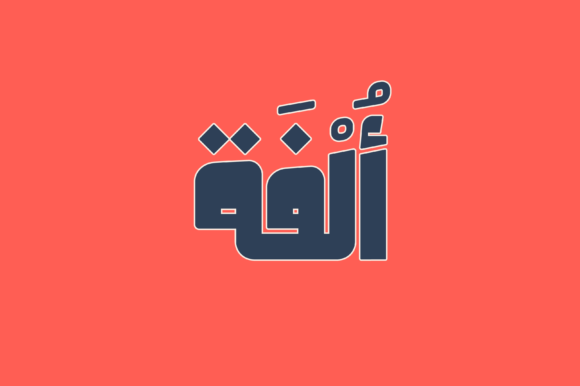
Olfah: A Friendly Arabic Display Font for Modern Web Design
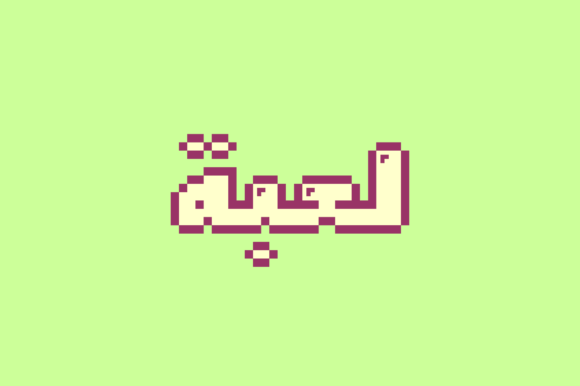
Two weeks ago, I was finalizing the hero section of a boutique online store launching in Riyadh — a curated collection of handmade ceramics and natural textiles. The client wanted warmth, approachability, and cultural resonance without sacrificing digital polish. I opened my font library, scrolled past the usual suspects, and landed on Olfah. Within minutes, I’d swapped the placeholder heading with “أهلاً بكم في ورشة النور” set in Olfah, and everything clicked: the spacing felt open, the curves were soft but intentional, and the rhythm invited reading — not just scanning. That’s when I knew this wasn’t just another Arabic display typeface. It was a design decision with personality.
Olfah for Creative Headings on Responsive Landing Pages
As a display font, Olfah thrives where impact meets clarity — especially in hero headlines, section dividers, and campaign banners. I tested it across breakpoints: at 48px on desktop, its casual style breathes comfortably above a subtle gradient; at 32px on tablet, the letterforms retain their friendliness without crowding; even at 28px on mobile, the generous counters and balanced proportions kept readability intact. Unlike tighter display fonts that collapse visually on small screens, Olfah maintains legibility because its openness supports fast scanning — critical for users deciding in under three seconds whether to stay or scroll. For landing pages built around storytelling (think coaching websites or course sales pages), Olfah adds human tone without undermining professionalism.
Olfah for Arabic Advertising and Social Media Graphics
I used Olfah to build a set of Instagram carousel ads for a local design workshop. Its friendly look made short Arabic phrases — like “ابدأ رحلتك اليوم” or “أدواتك الأولى في التصميم” — feel inviting, not instructional. Because Olfah is designed as a display font, it holds up beautifully over textured backgrounds and image overlays. No heavy stroke contrast or sharp terminals to clash with photography — just gentle curves and consistent weight distribution. When exported as SVG text for web use or embedded in Canva templates, it rendered crisply across devices. As a designer sourcing fonts for cross-platform campaigns, that reliability matters more than ornamental flair.
Olfah for Infographics and Digital Brand Kits
For a client’s digital brand kit, I needed an Arabic typeface that could anchor visual hierarchy without competing with data visuals. Olfah worked perfectly for infographic titles and key stat callouts — its casual style softened the formality of charts and timelines while keeping attention anchored. Since Olfah is a display font, I paired it intentionally: body copy in a neutral sans serif (like Tajawal or Noto Sans Arabic), subheads in a medium-weight variant if available, and Olfah reserved strictly for top-level labels and quotes. This created clear visual breathing room — no ambiguity about what to read first. If you’re assembling reusable design assets for teams or clients, Olfah delivers consistency *and* character in one package.
Olfah for Print-Ready Packaging and Web-to-Print Projects
When the same ceramic brand asked for packaging mockups — gift boxes, tags, and product cards — I reused Olfah from the website. Its friendly look translated seamlessly into print: clean outlines held up at small sizes (down to 14pt on hang tags), and the subtle variation in stroke width added tactility without sacrificing legibility. As a display font, Olfah isn’t meant for long paragraphs in print — but it shines in logo lockups, product names, and short descriptive lines. Before exporting, I confirmed the font included OpenType features suitable for Arabic typesetting (like contextual alternates and proper ligature support), which ensured correct shaping across platforms. Always check licensing before using any fonts in commercial print — Olfah includes full commercial rights, making it safe for both web and physical deliverables.
Olfah for Web Headers and Editorial Blog Design
On a bilingual blog redesign (Arabic primary, English secondary), I used Olfah only for Arabic post titles and category headers — never for navigation or body text. Why? Because Olfah is a display font by design: expressive, deliberate, and best at drawing focus. Pairing it with a clean, highly legible Arabic sans serif for body copy created contrast that guided the eye naturally. On dark-mode layouts, I adjusted letter-spacing slightly (+0.5px) and ensured sufficient contrast against charcoal backgrounds — Olfah’s even weight distribution made those tweaks intuitive. For editorial sites, newsletters, or content-rich portfolios, Olfah adds voice without overwhelming substance.
Olfah for Online Shop Banners and Product Launch Campaigns
The final test came during a flash sale banner rollout: “خصم 30% لفترة محدودة” needed urgency *and* warmth. Olfah delivered both — its rounded terminals softened the sharpness of promotional language, while its confident x-height ensured immediate recognition, even in animated GIF banners. As a display font, it performed reliably across browsers and loading conditions: lightweight WOFF2 files, no render jank, and graceful fallback behavior. If you’re selecting fonts for high-visibility e-commerce moments — think homepage takeovers, limited-time offers, or seasonal collections — Olfah balances memorability with usability in a way few Arabic display options do.
What to Check Before Using Olfah in Your Next Project
- Webfont availability: Confirm WOFF2 and WOFF support for optimal loading performance.
- Style range: Verify included weights — most display fonts like Olfah offer one or two optimized styles (not full families).
- Licensing scope: Ensure your plan covers web, app, and commercial use — especially for client work or SaaS interfaces.
- Arabic language coverage: Look for full Unicode support across Eastern Arabic numerals, diacritics, and common ligatures.
- Pairing compatibility: Test alongside your body font at multiple sizes — Olfah pairs best with neutral, highly readable sans serifs.